Why Remote Pump Stations Shouldn’t Require Routine Site Visits
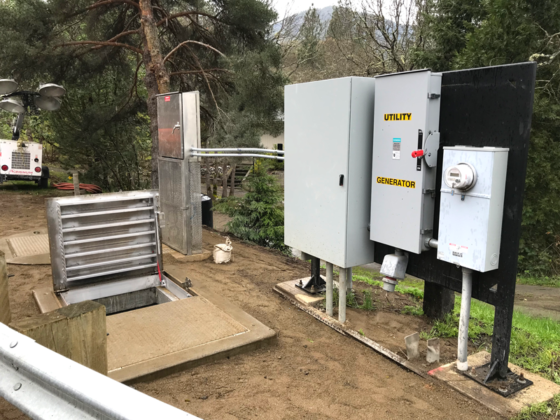
Way out past the edge of town, a pump station sits and waits. Maybe it is down a rutted gravel road, behind a hill, or beside a stretch of farmland where nobody passes unless they have a reason.
For years, keeping an eye on stations like these meant sending someone out on a schedule.
The worker drove there, opened the enclosure, checked gauges, listened for anything unusual, wrote down a few numbers, and drove back.
That routine made sense when the only reliable way to know what was happening was to stand next to the equipment.
It makes far less sense when sensors, cellular connections, and remote dashboards can report operating conditions continuously.
The goal is not to abandon field maintenance. It is to stop treating every station as if it needs a person standing beside it just to prove that nothing has changed.
The Real Price of Driving Out
Source: csicontrols.com
Routine visits look harmless when viewed one at a time. Add them across a network of remote stations, though, and the cost becomes easier to see. A technician can lose hours simply reaching a site and returning.
The service vehicle burns fuel, mileage accumulates, and the worker is unavailable for repairs or preventive work elsewhere.
The frustrating part is that many trips end with the same result: the station is operating normally. A gauge is checked, a panel is opened, and the worker heads back.
That creates two problems at once:
- Healthy stations consume labor simply because the calendar says they should be checked.
- A developing fault can still appear between visits and remain unnoticed until the next inspection.
Remote visibility does not remove maintenance costs, but it can make those costs follow actual operating conditions instead of a rigid travel schedule.
Blues describes this same principle as reducing unnecessary truck rolls by using real-time information to determine when service is actually needed.
Let the Station Report to You
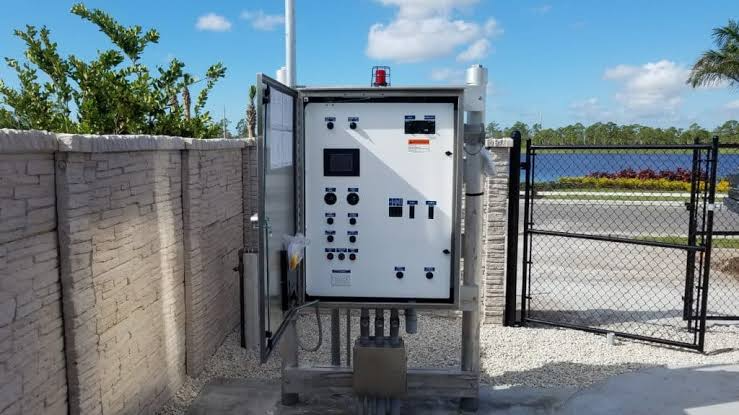
But there is a better way to handle all this. Little connected sensors can watch a pump day and night, then fire updates right to a screen back at the office.
That is the whole promise of remote monitoring, and companies like Blues have proven how small, wallet-friendly devices can keep tabs on far-off sites while your crew stays put.
These gadgets track multiple metrics. An alert immediately sounds if a reading deviates.
So now the station speaks up when it needs you. No more guessing. No more wasted drives down that gravel road.
The working relationship with the station changes. Crews no longer visit simply to ask, “Is everything okay?”
The station reports its condition first, and a visit can be planned when the data gives the team a reason to go.
Fixing Problems Before They Grow
Early warning matters because many equipment problems develop before they become outright failures. A pump may begin running longer than usual. Starts may become more frequent.
Power draw, pressure, level behavior, or vibration can drift away from the station’s normal pattern. None of those signals proves that a motor is about to fail, but each can justify a closer look.
That gives the maintenance team something more useful than a generic alarm. They can ask what changed, compare the reading with recent history, and prepare the visit around the likely problem.
A useful alert can help a crew arrive with:
- the right replacement part instead of an empty toolbox;
- the correct test equipment for the suspected fault;
- enough people to complete the job safely in one trip.
The real advantage is not prediction for its own sake. It is turning uncertainty into a better maintenance decision.
More Time for Work That Matters
Source: maintenanceworld.com
Every unnecessary inspection trip competes with something else that needs attention.
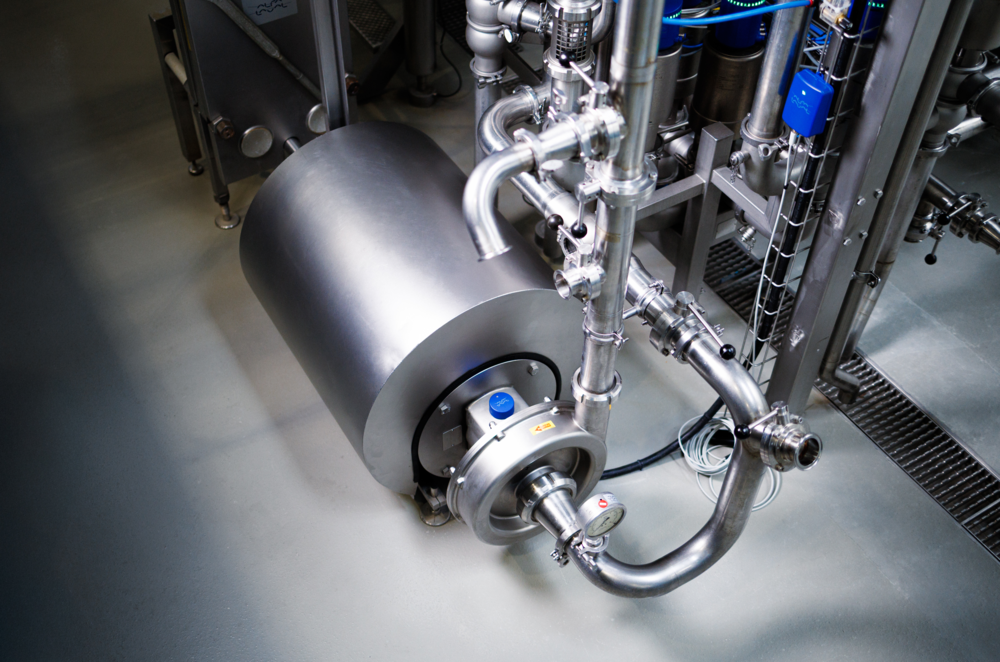
A technician driving two hours to confirm that a station is healthy is not rebuilding a worn pump, testing backup equipment, cleaning a wet well, or working through a preventive-maintenance backlog.
That tradeoff matters even more for small crews covering a large territory.
Remote monitoring changes the order of work. Instead of moving from site to site because a calendar says it is time, teams can look at several stations first and decide where their skills are most useful.
That does not mean the dashboard becomes the job. Physical inspections, cleaning, calibration, safety checks, and mechanical service still matter. The point is to reserve travel for work that benefits from a person being there.
When routine status checks move to the screen, experienced technicians can spend more of the day doing tasks that require their hands, judgment, and equipment.
Peace of Mind After Hours
Pump stations do not follow office hours. They keep operating overnight, through weekends, storms, holidays, and periods when the maintenance team is thin. A visit-based approach creates obvious blind spots during those hours.
If nobody is at the site, a failure may go unnoticed until the next inspection or until the consequences become visible somewhere else.
Remote alarms narrow that gap. A high-level condition, power loss, pump fault, or another critical event can be routed to the person responsible for responding. The best alarm strategy is selective, however.
If every minor fluctuation wakes somebody at 3 a.m., people can start treating alerts as background noise.
A better setup separates urgent conditions from events that can wait until morning.
Critical alarms need a clear response path. Lower-priority warnings can be logged for review. After-hours coverage works best when technology tells people what deserves attention instead of simply making more noise.
Turn Routine Visits Into Targeted Visits
The strongest argument for remote monitoring is not “never go to the station again.” It is “go for a reason.” A dashboard can tell a crew that a site deserves attention, but the visit still matters when equipment must be inspected, cleaned, tested, repaired, calibrated, or replaced.
That changes the quality of the trip. Instead of arriving with little information and spending the first hour figuring out what is wrong, the technician can review alarm history and operating trends before leaving the shop. The service vehicle can be loaded with the tools and parts most likely to be needed.
Some commercial systems explicitly support this workflow by helping teams identify what may be needed before traveling to the site. Xylem, for example, describes remote inspection as a way to reduce physical inspections and improve the likelihood that technicians arrive prepared for the work required.
The broader lesson is simple: remote data should improve the field visit, not pretend field work has disappeared.
Remote Monitoring Works Best When the Data Has a Purpose
Source: fluidhandlingpro.com
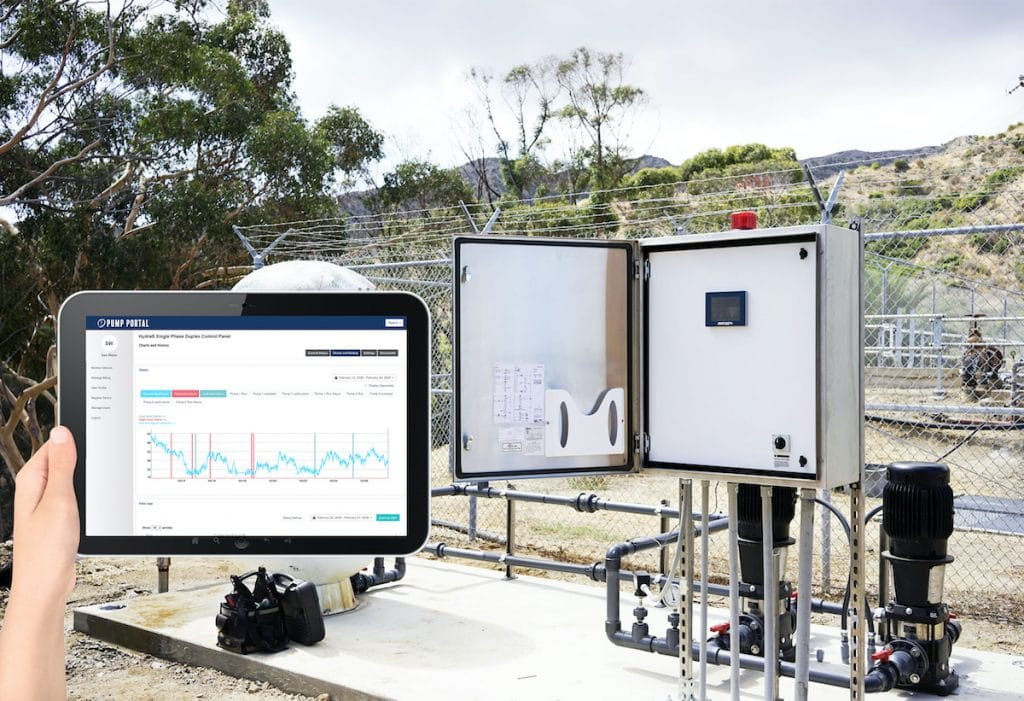
Connecting every possible signal does not automatically make a pump station easier to manage. A dashboard packed with hundreds of values can create almost as much confusion as having no information at all.
The better approach is to start with the measurements that actually affect operating decisions.
For a typical station, that might mean watching a manageable group of signals such as:
- pump status and runtime;
- water or wastewater level;
- pressure or flow where relevant;
- power availability and equipment faults;
- repeated starts, stops, or abnormal cycling.
From there, the system can grow as operators learn which patterns are useful. Blues lists pressure, flow, runtime, cycle frequency, fault conditions, and threshold alerts among the information that can support remote pump monitoring.
Useful monitoring answers a question. It should tell the team whether something changed, whether somebody needs to respond, and what information would make that response better.
Conclusion
Driving to a remote pump station just to confirm that everything looks normal is increasingly hard to justify when the same basic status can be reported continuously.
Connected sensors, alarms, and operating history let teams separate healthy stations from sites that genuinely need attention.
That means fewer low-value trips, earlier visibility into developing problems, and better preparation when a technician does need to travel.
The balance matters. Remote monitoring is not a replacement for maintenance, inspections, or experienced people.
It is a way to use those people more deliberately. Let the station handle the routine reporting.
Let data show where conditions are changing.
Then send the crew when their presence can solve a problem, prevent one, or complete work that cannot be done from a screen. That is a better use of both technology and skilled labor.
Frequently Asked Questions
1. Can an older pump station be retrofitted for remote monitoring?
Often, yes. A complete station replacement is not automatically required. Depending on the existing controls and available sensor outputs, gateways, modems, meters, or additional sensors can provide remote visibility. Xylem, for example, offers monitoring hardware intended for installation on a wide range of existing pumping stations.
2. What happens if the cellular or internet connection goes down?
A properly planned system should not depend on continuous cloud connectivity for basic local pump control. The communication layer and the local control layer need to be considered separately. Some connected controllers support features such as communications failover and power-loss notifications, but the exact behavior depends on the hardware and system architecture.
3. Does a station need a full SCADA system before remote monitoring can be added?
Not necessarily. Smaller installations can use connected controllers, gateways, or micro-PLCs to collect selected signals and send them to a remote platform. A larger SCADA environment may make sense across extensive infrastructure, but remote visibility can also be added to more localized control systems.
Leave a Reply